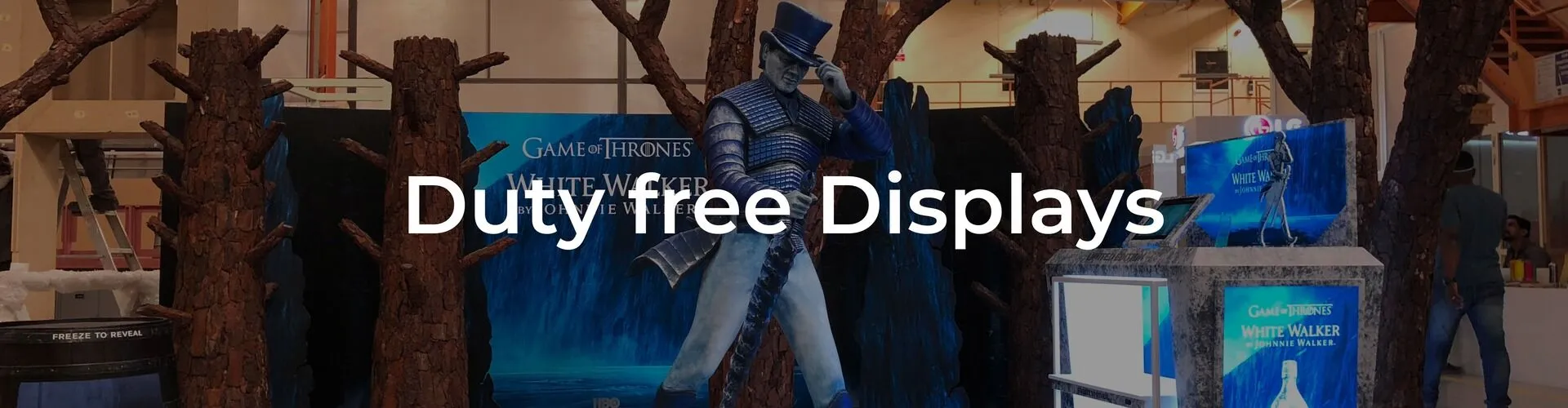
Travel retail shops face unique pressures. Foot traffic changes by the hour, and brand identity needs constant updates to keep shelves looking fresh. Old building methods created heavy costs and long downtime. Modern shops now use flexible parts that lock together with speed and ease.
This new approach changes how stores look, act, and grow, proving that modular duty free fitouts Dubai offer lasting benefits.
Speed of installation:
Prefabricated components arrive ready to assemble. Workers connect panels, shelves, and lighting fixtures like building blocks. This method cuts construction time by weeks. Shops open earlier, generating cash sooner. Teams avoid lengthy delays caused by on-site carpentry or wet construction trades.
Flexibility for seasonal change:
Products change quickly. Modular units allow floor plans to shift in hours. If a category grows, managers swap a display rack for a gondola without heavy tools. These systems allow shops to adapt to seasonal trends or limited-edition launches instantly. The space remains fluid and ready for shifting market demands.
Cost reduction:
Manufacturing parts in a factory lowers waste and labor expenses. Consistent production quality keeps maintenance low. Companies save money because these structures last through many store refreshes. Parts are reusable, so future changes cost far less than building from scratch. This strategy manages budgets while keeping the shop look current.
Visual impact:
Designers create bold, crisp shapes with these precise modules. Lighting fits perfectly within hidden tracks, highlighting items on display. Glass, metal, and light work together to create a clean aesthetic. Stores look sharp and professional. A uniform look across various locations creates a strong, recognizable brand identity that shoppers appreciate immediately.
Sustainability benefits:
Factories produce exactly what the design needs, which leaves very little trash. Materials like steel and recycled plastics provide long-term durability. When a shop needs a refresh, teams reuse existing modules instead of discarding them. This circular approach reduces the carbon footprint, aligning shop construction with modern green goals.
Improved space management:
Floor space at busy terminals carries high value. Modular systems maximize every square inch. Compact displays fit into tight corners, while taller units draw eyes upward. Stores optimize traffic patterns by moving fixtures to guide crowds better. This precise layout keeps shoppers moving comfortably, ensuring they see every available item during their visit.